E-Commerce / B2B2C
Snowboard Map Website
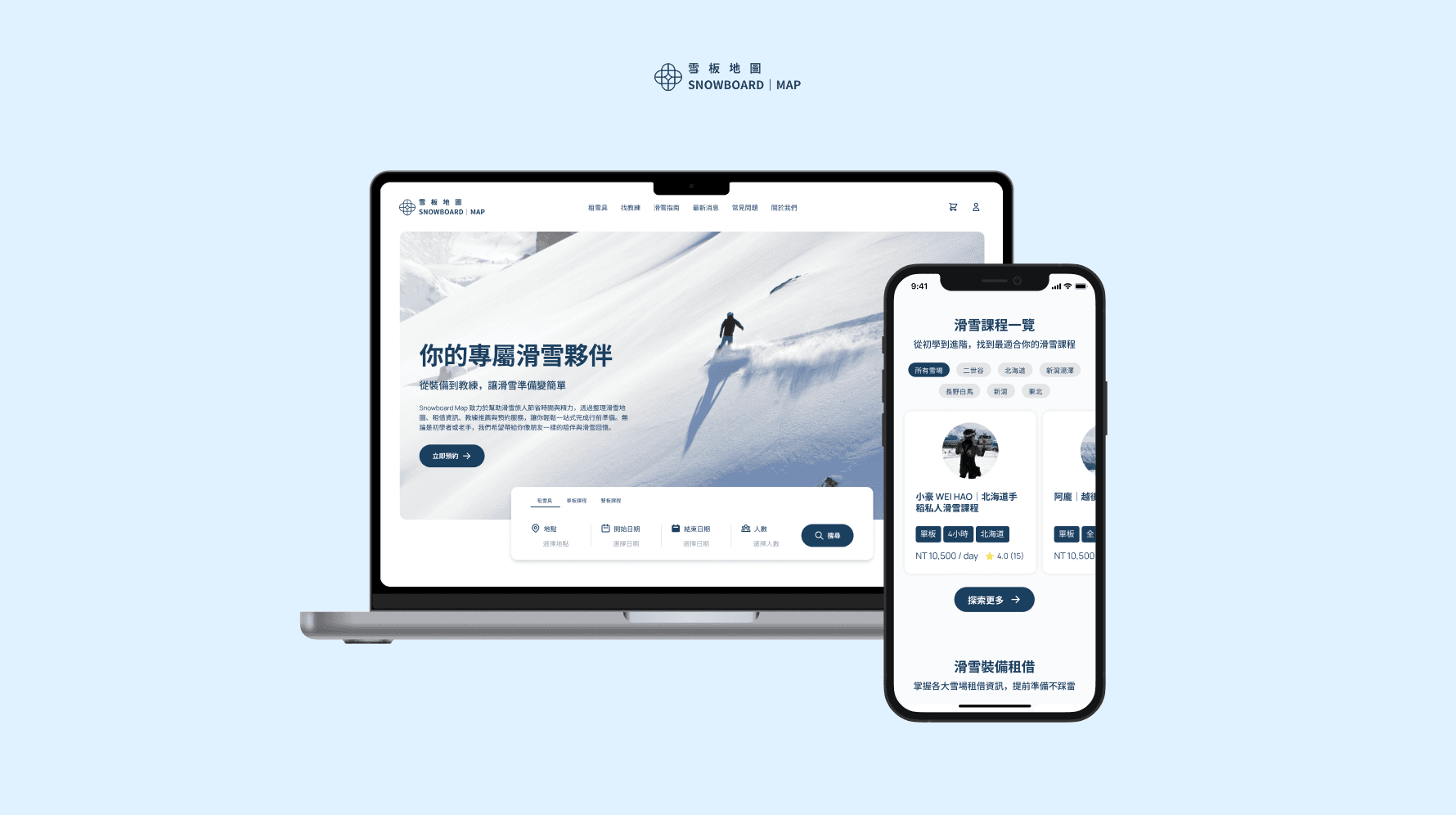
SnowboardMap is a multi-vendor platform for finding and booking ski instructors across Japan’s major resorts. At the surface level, the experience feels simple. Underneath, there is a unified booking logic designed to support multi-instructor scale. Rebuilding the foundation meant reworking both system boundaries and long-term operational logic.
Client
Snowboard Map
Timeline
April 2025 - Jun 2025
Role
Freelance Designer
Collaboration
1 Developer, 1 Project Manager, Client
Context & Objectives
Designing clarity for first-time ski travelers
Designing a booking platform for first-time ski travelers in Japan
Snowboard Map was created for beginner travelers in Asia planning ski trips to Japan—many of whom are unfamiliar with ski environments, terminology, and booking processes.
As a freelance designer, I led the end-to-end UX design of the platform, working independently to define structure, flows, and interactions.
The product needed to balance clarity, trust, and discoverability, while supporting:
A multi-vendor ecosystem (instructors & courses)
Complex booking variables (date, location, availability)
A scalable content and data structure

Challenge
Simplifying a complex and unfamiliar booking journey
Booking a ski instructor is not a typical e-commerce flow. Users needed to:
Understand different ski regions
Compare instructors and lesson types
Check availability across dates
Navigate unfamiliar terminology
At the same time, the platform needed to:
Handle multiple vendors with inconsistent data
Maintain a scalable system for future expansion
User Flow & Service Blueprint
Mapping the journey across users, systems, and touchpoints
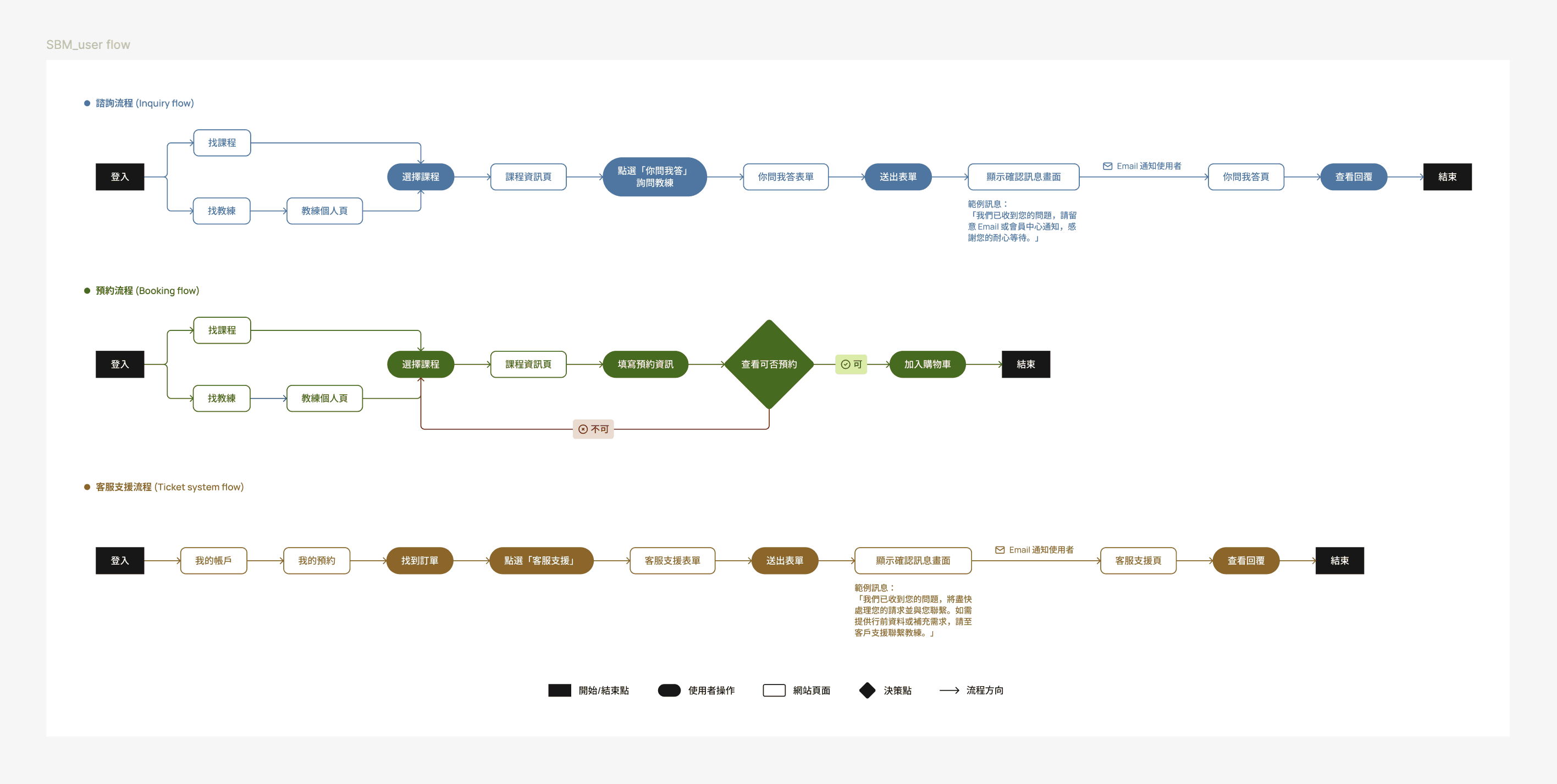
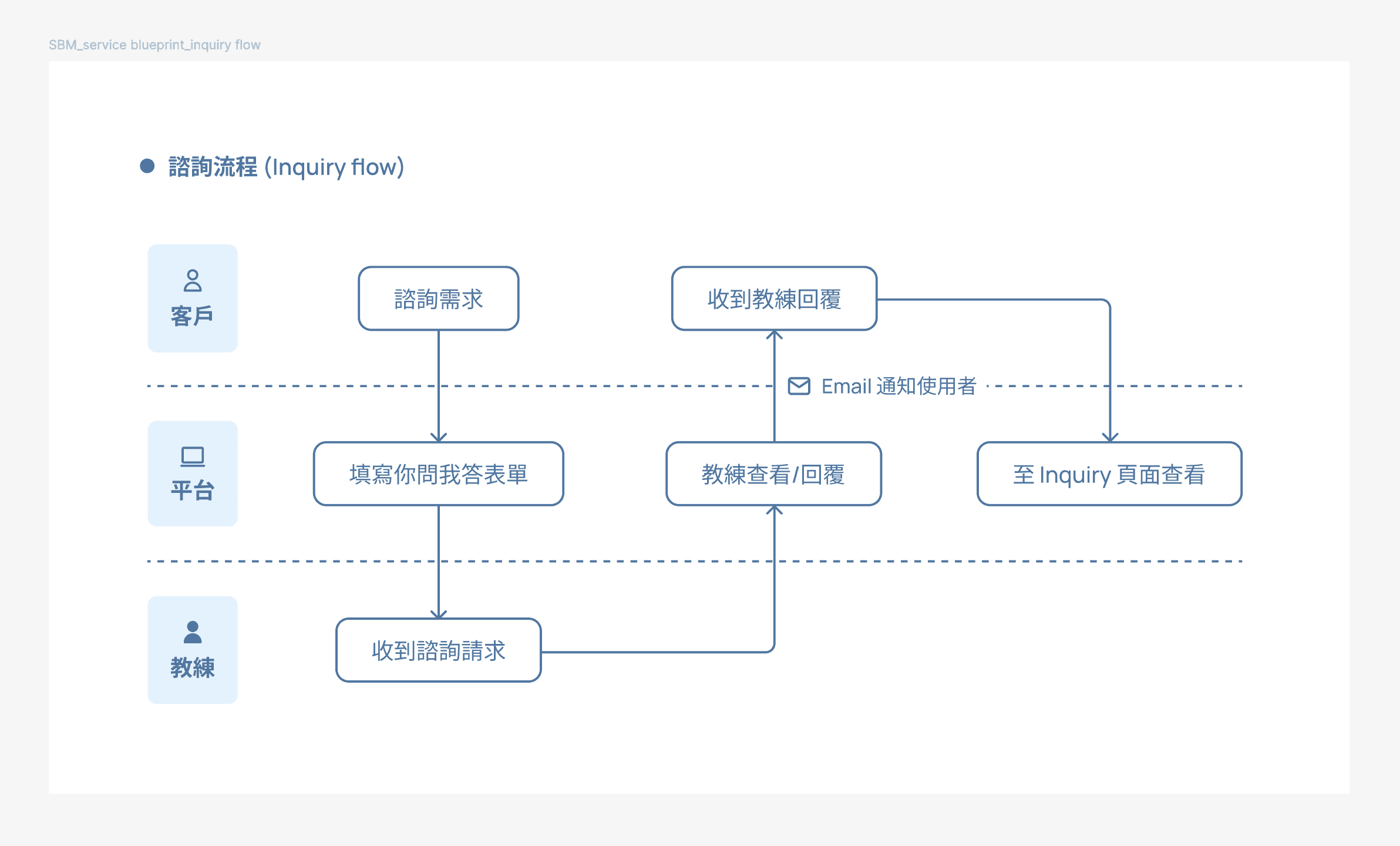
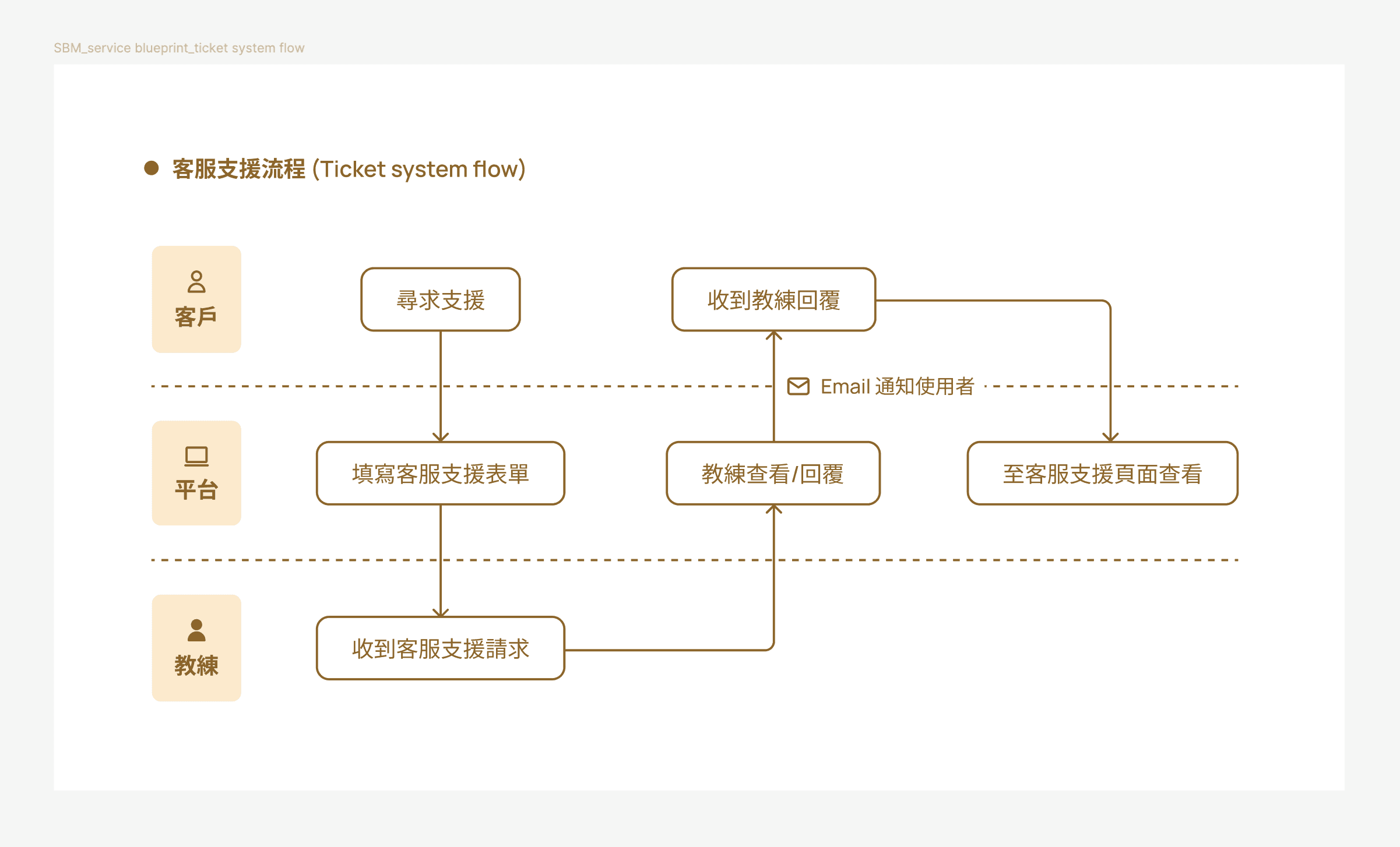
To align user needs with system logic, I mapped both user flows and a service blueprint.
Key flows:
Inquiry flow (user → instructor communication)
Booking flow (search → select → availability → checkout)
Support flow (ticket system for post-booking issues)
Why this matters?
Identified critical decision points (availability, instructor selection)
Clarified system responsibilities vs user actions
Ensured consistency across booking and support experiences
System Logic & Interaction Design
Designing a structured system that supports decision-making
I approached the platform as a unified system rather than a collection of screens, aligning user mental models with underlying data structures. By standardizing taxonomy, attributes, and information hierarchy across destinations, instructors, and courses, the experience reduces cognitive load and enables users to compare options with clarity.
This system thinking extends into interaction design:
a consistent booking logic across search and product pages ensures users can make decisions without losing context, while an in-context filtering system allows them to refine options seamlessly.
Visual Identity
Defining a visual language that balances clarity and emotion
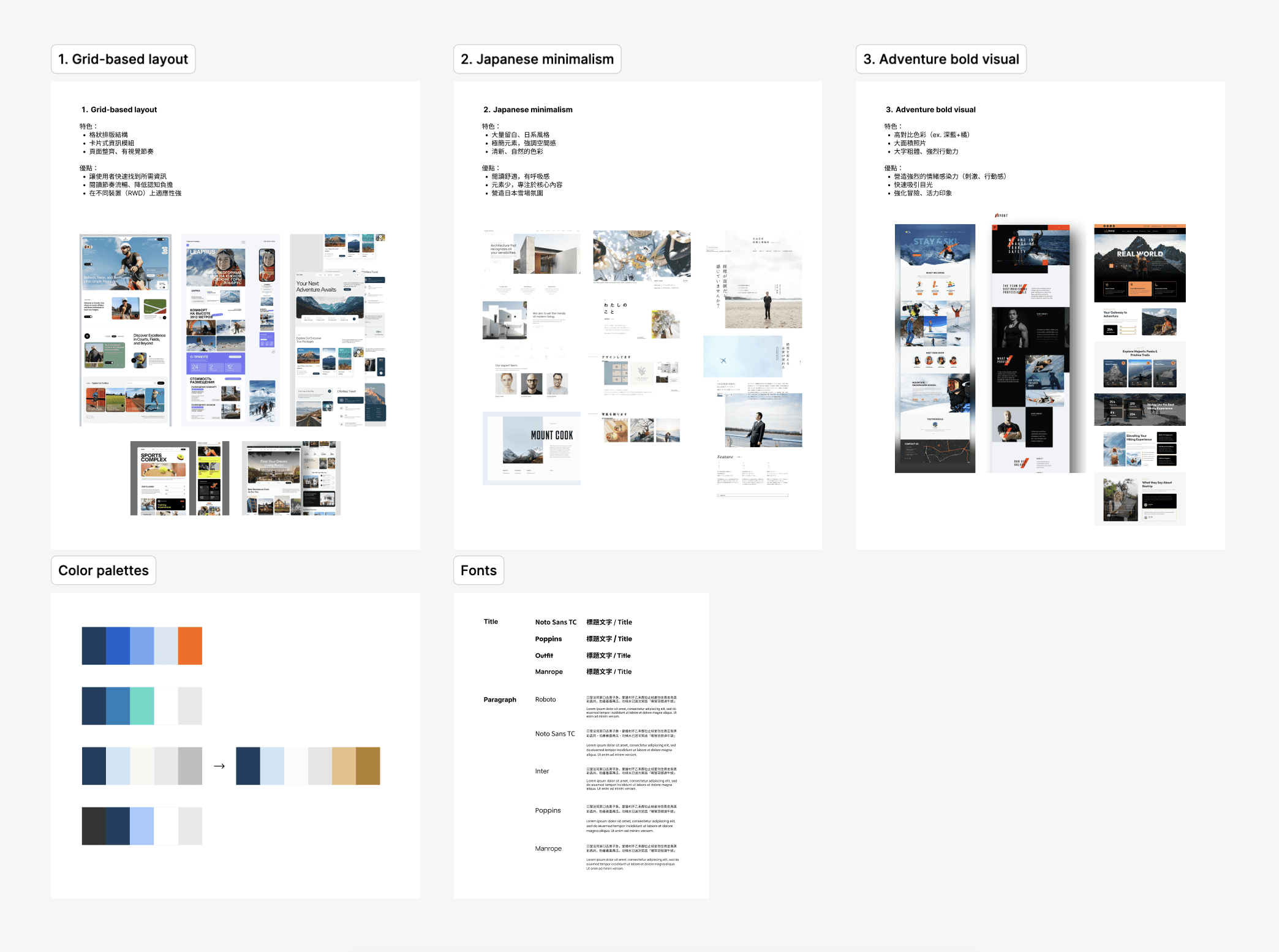
The visual direction combines structured layouts, minimal aesthetics, and bold imagery to balance clarity with a sense of exploration.
A clean grid system ensures consistency and readability, while restrained use of color and typography keeps the interface light and focused. At the same time, expressive visuals introduce energy and context, reflecting the nature of ski travel.
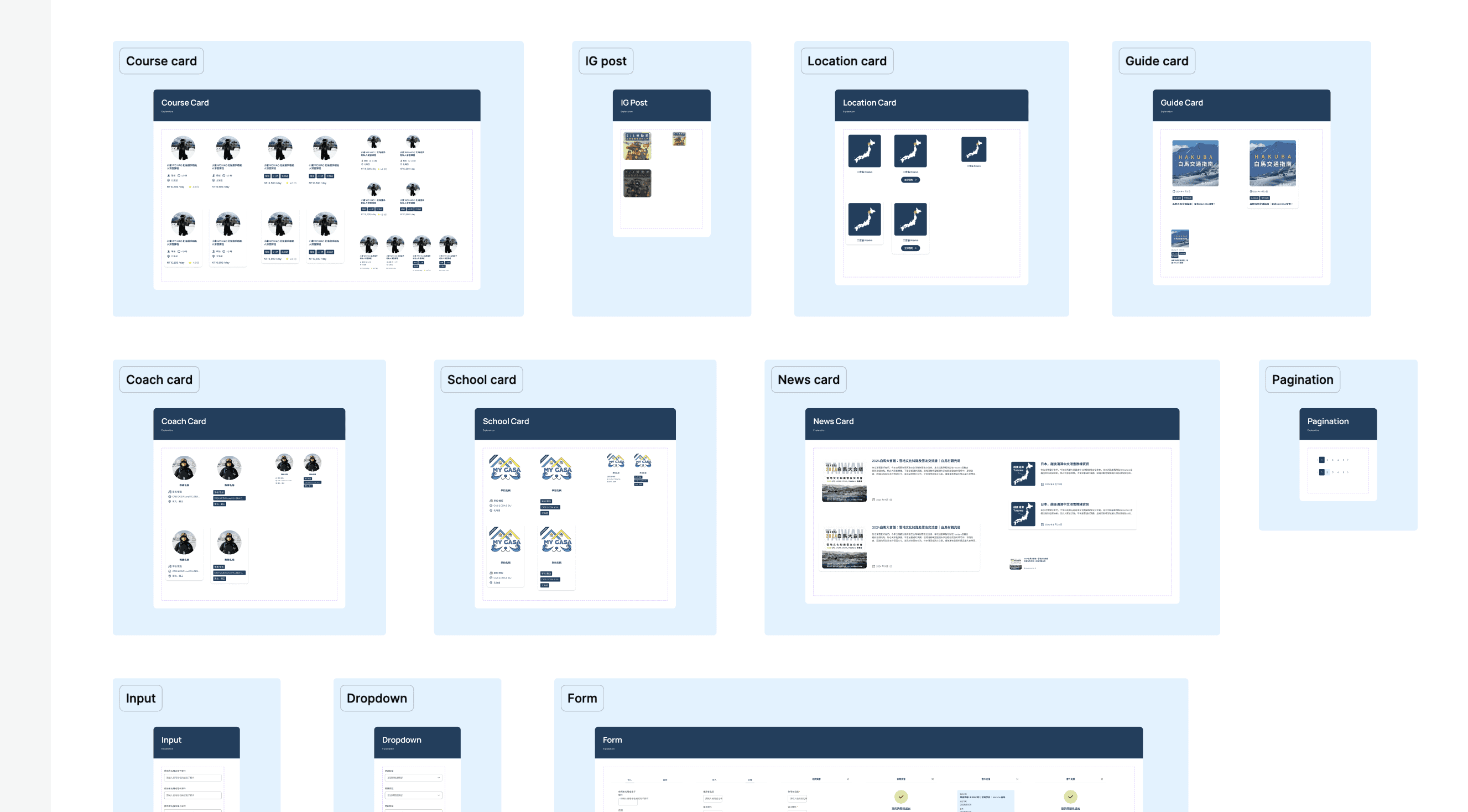
Design System
Building responsive components for consistency and scale
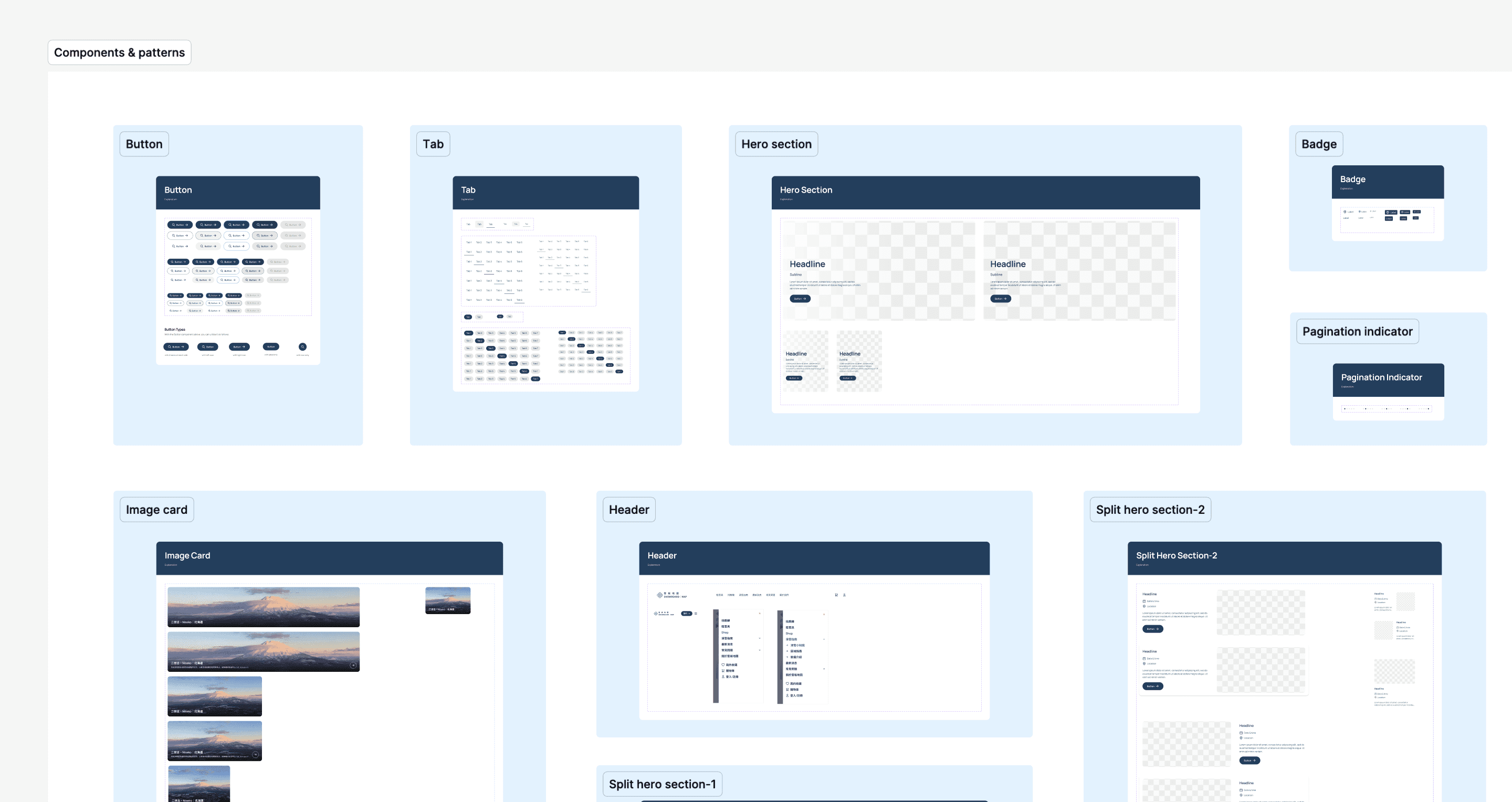
To ensure scalability and consistency, I built a modular design system with responsive components.
This design system focuses on:
Reusable components across listing, product, and booking pages
Responsive behavior for mobile, tablet, and desktop
Consistent spacing, typography, and interaction patterns
Alignment with development constraints (WordPress environment)
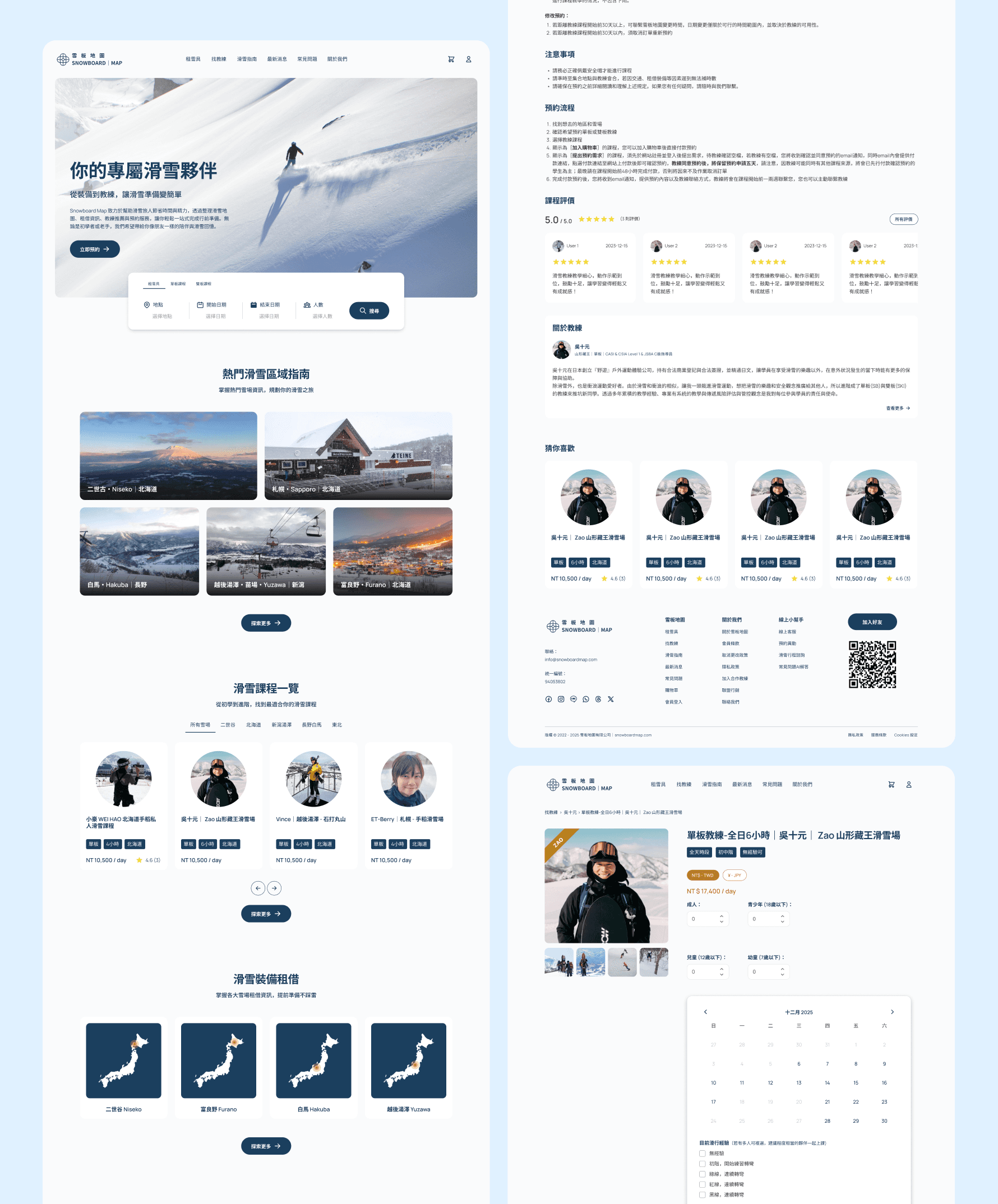
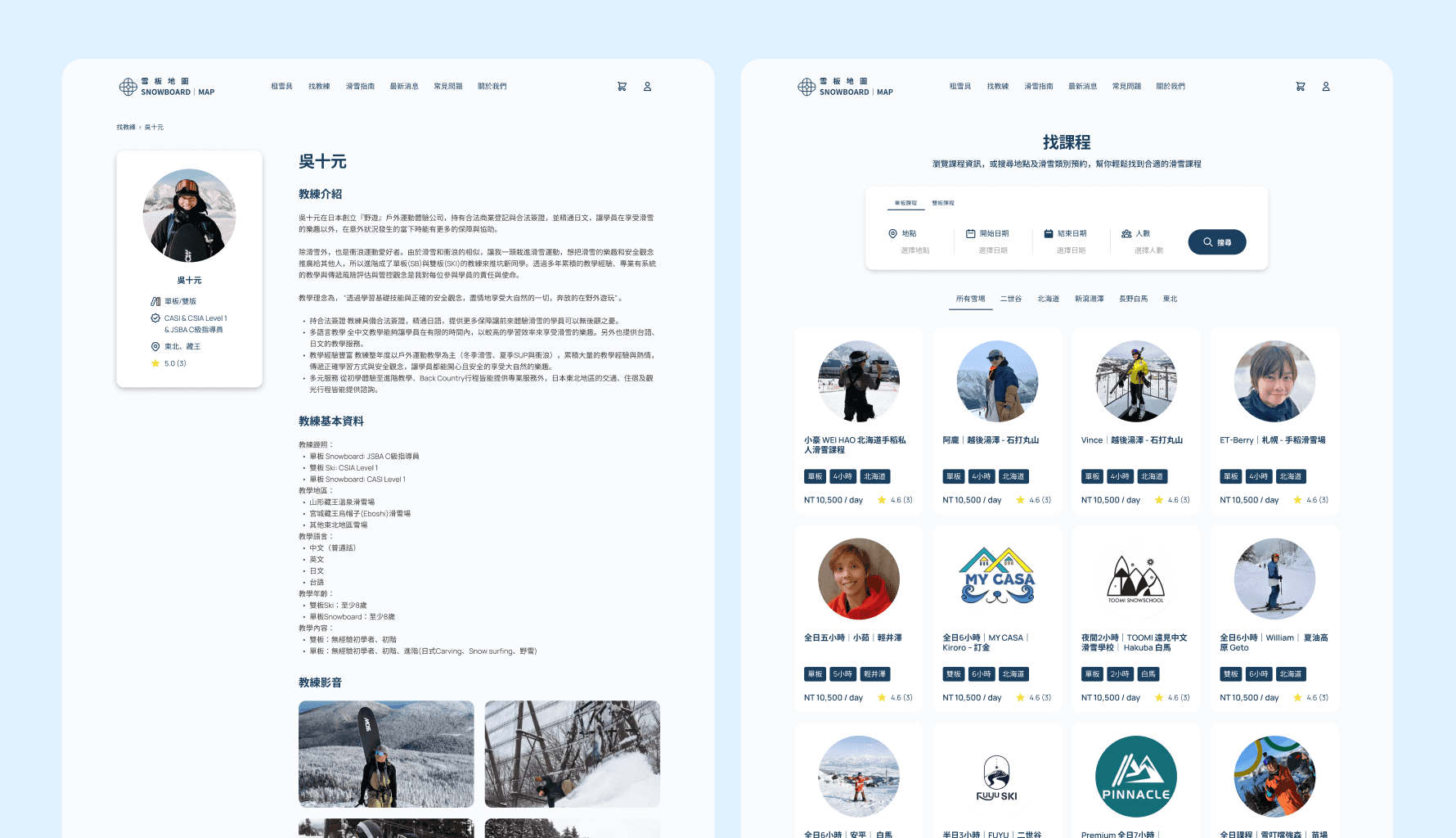

Website Showcase
Translating structure into a seamless interface
Final designs focused on:
Clear content hierarchy
Scannable card-based layouts
Smooth booking transitions
Consistent interaction patterns
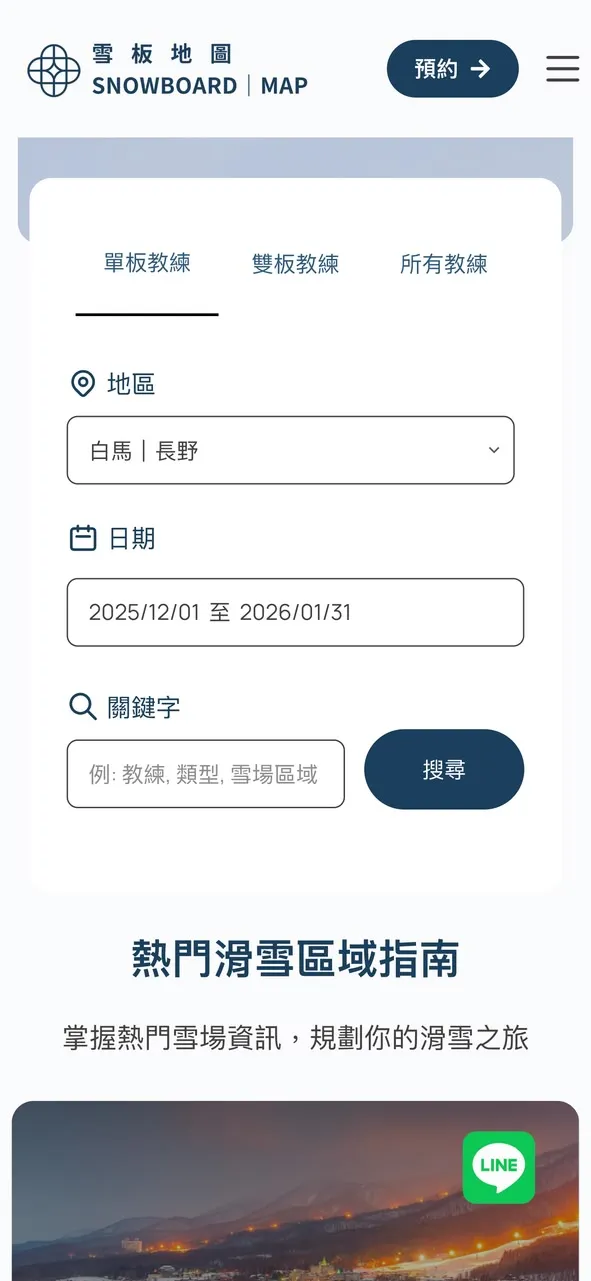
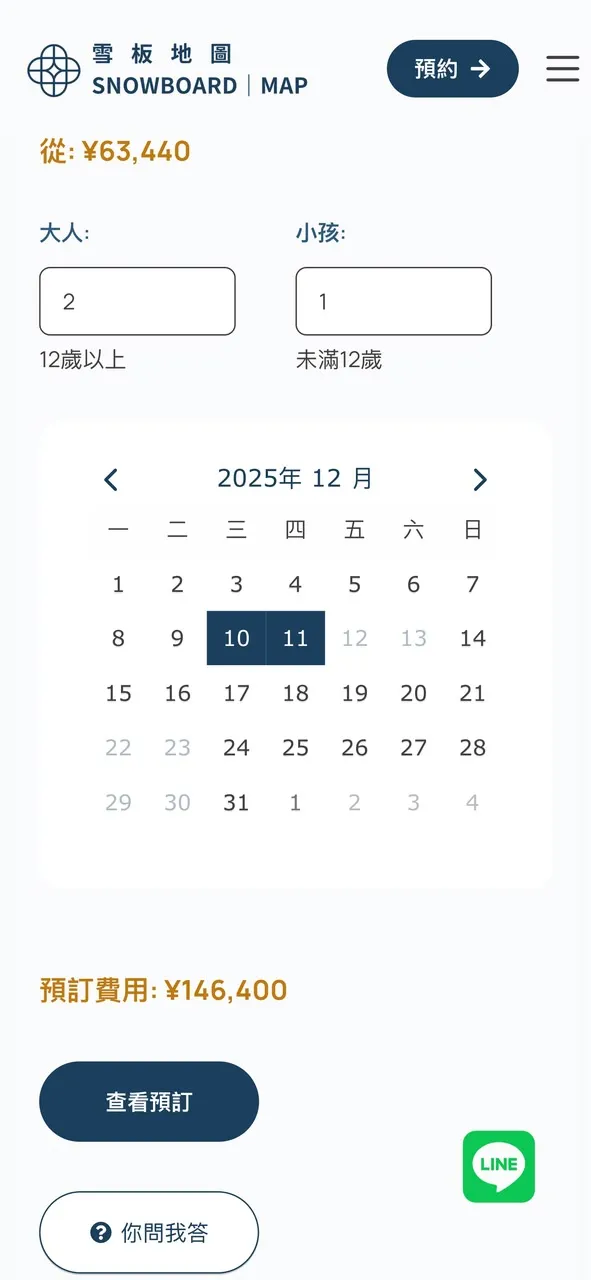
Booking details
Impact
Driving scalable growth across the platform
User states, preferences, and transactional contexts were unified into a single flow—creating a seamless experience for travelers while enabling vendors and operations to scale efficiently.
125
+
Vendors
400
+
Bookable Products
40k
+
Monthly Views
Reflection
Turning ambiguity into structured product thinking
Designing this product end-to-end as a solo designer reshaped how I approach product design. I learned to balance user needs with system constraints, make product decisions without complete data, and collaborate closely with developers through an agile workflow. I also translated a complex business model into a clear and intuitive user experience. Ultimately, this project strengthened my ability to turn ambiguity into structured, scalable design solutions.