Security and Safety
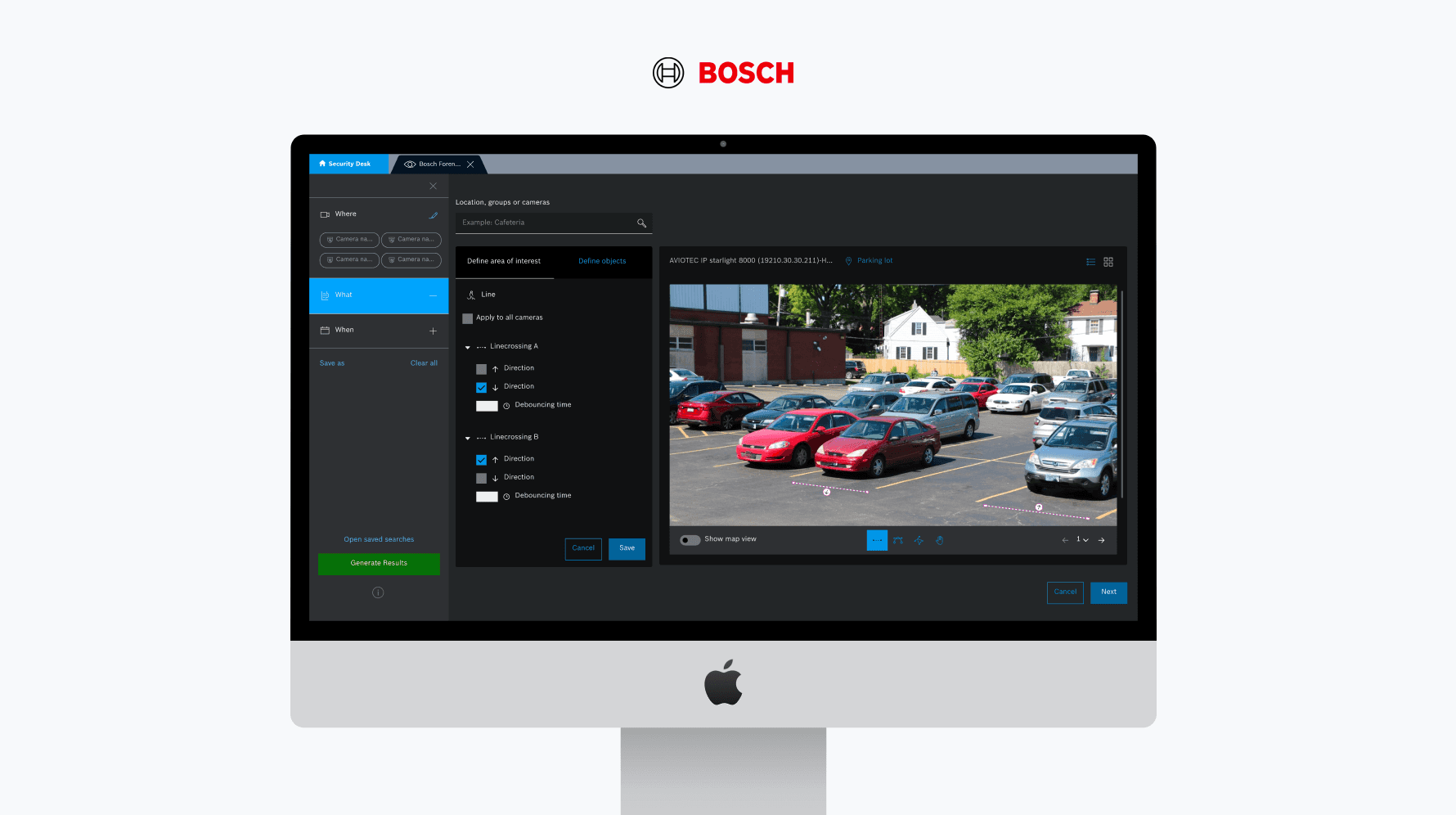
IPP Forensic Search
IPP Forensic Search is a video analytics tool used alongside surveillance systems to detect and track specific objects or events. This project focused on identifying usability challenges and streamlining complex workflows to make the system faster, more intuitive, and easier to operate in time-sensitive scenarios.
Company
Bosch Group
Timeline
Oct 2025 - Dec 2025
Role
UX Designer
Collaboration
1 UX designer, 1 UX researcher, 2 developers
Problem Define
Complex workflows slowed down critical decisions
IPP Forensic Search is used alongside surveillance systems to identify and track specific objects or events in recorded footage. While powerful, the system required users to navigate complex configurations and fragmented workflows—making even simple tasks time-consuming.
Users often struggled with: • Navigating multiple steps to define search conditions • Understanding system feedback and results • Managing cognitive load when handling complex scenarios
Our Approach 01
Reframing the challenge
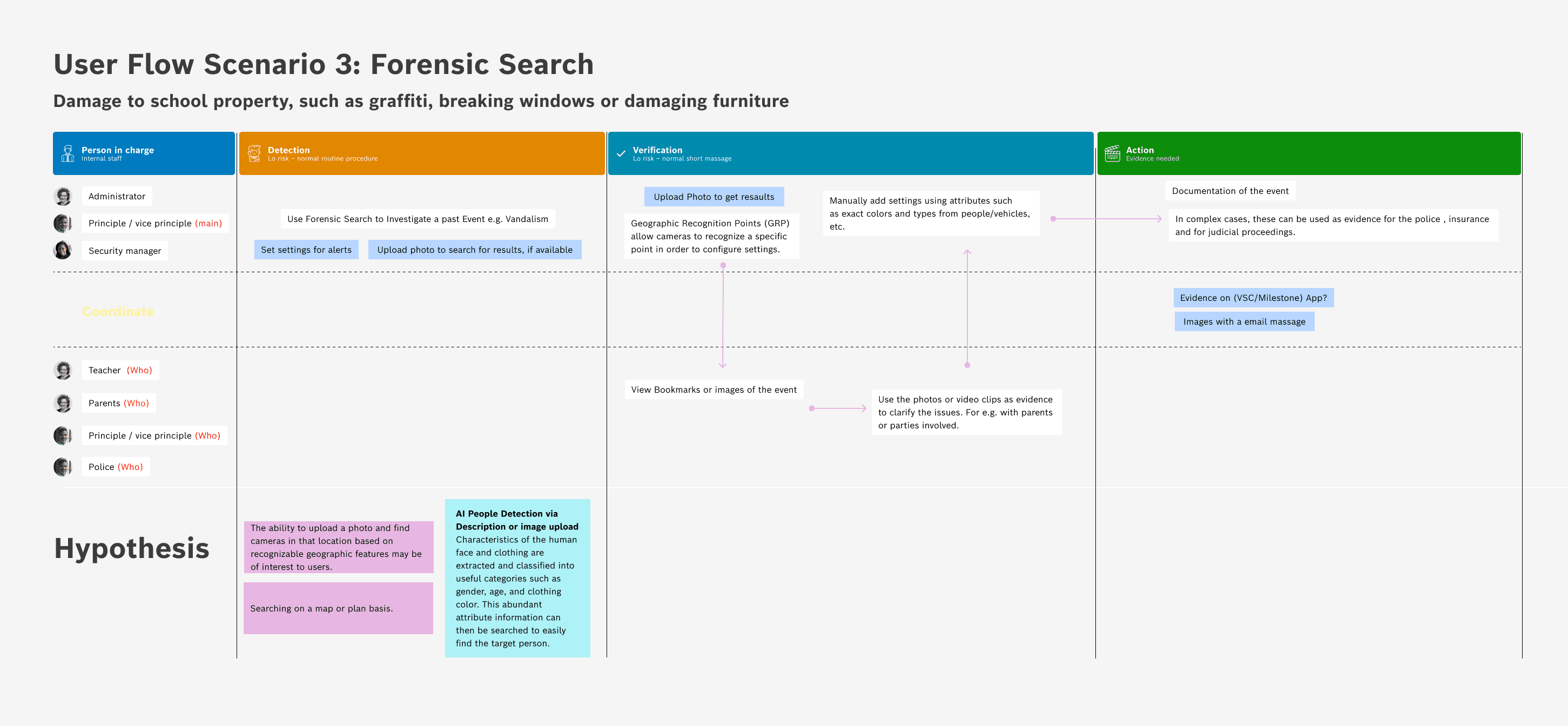
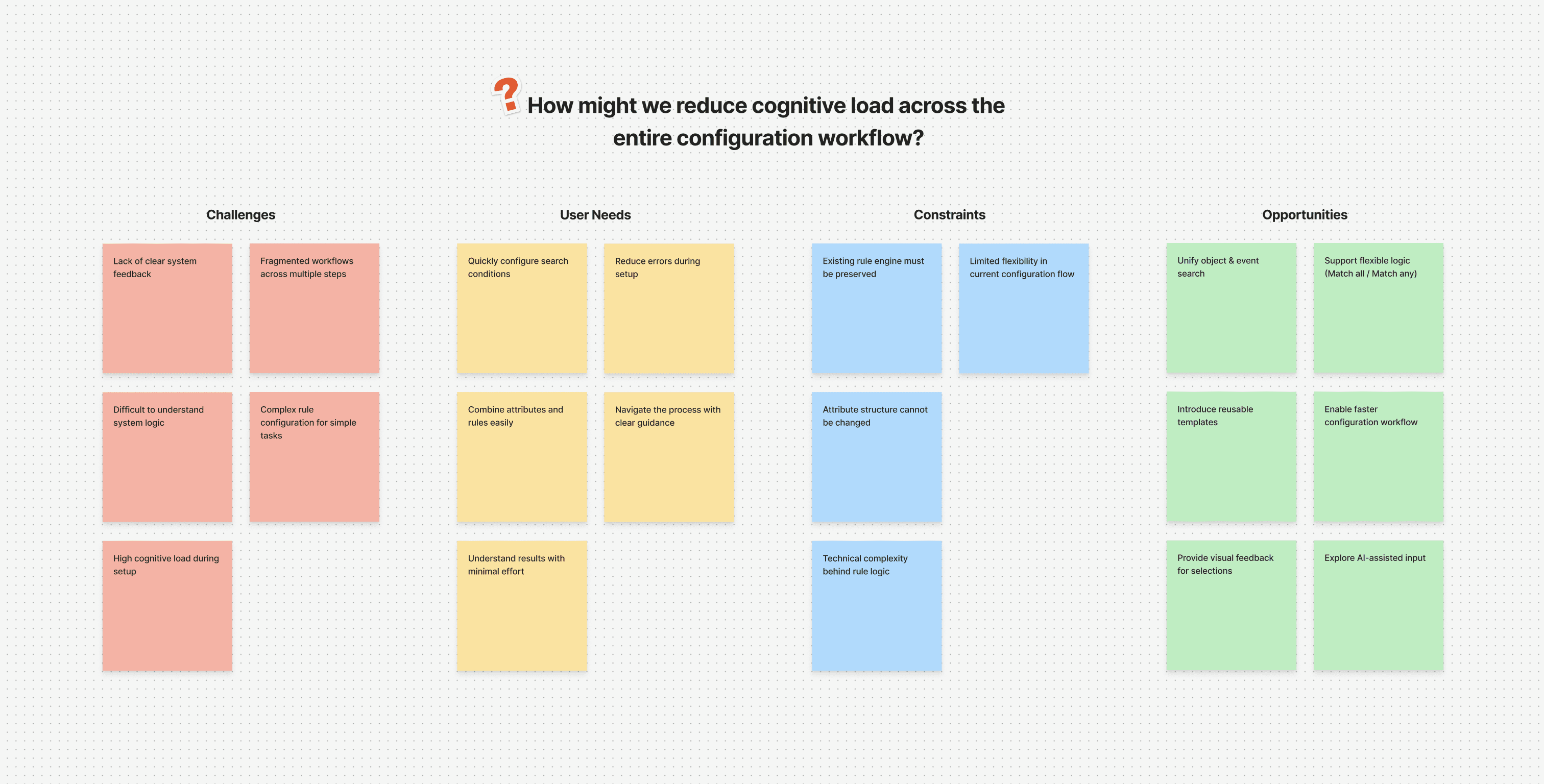
We facilitated a cross-functional workshop to align on key challenges in IPP Forensic Search. Through discussions and scenario mapping, we identified a core issue: fragmented workflows increased complexity and slowed down investigations. Instead of focusing on UI simplification, we reframed the problem as:

We explored key questions around rule complexity, system logic, and opportunities for reuse (e.g., templates, existing systems, AI-assisted input).
Our Approach 02
Learning from competitors, exploring new directions
From the workshop, we distilled clear directions: • Audited existing tools to uncover usability gaps and patterns • Identified opportunities to simplify complex rule configurations • Rapidly explored concepts such as unified search and visual feedback • Iterated toward solutions that balance power with ease of use
Solution
Streamlining workflows while enabling scalable design
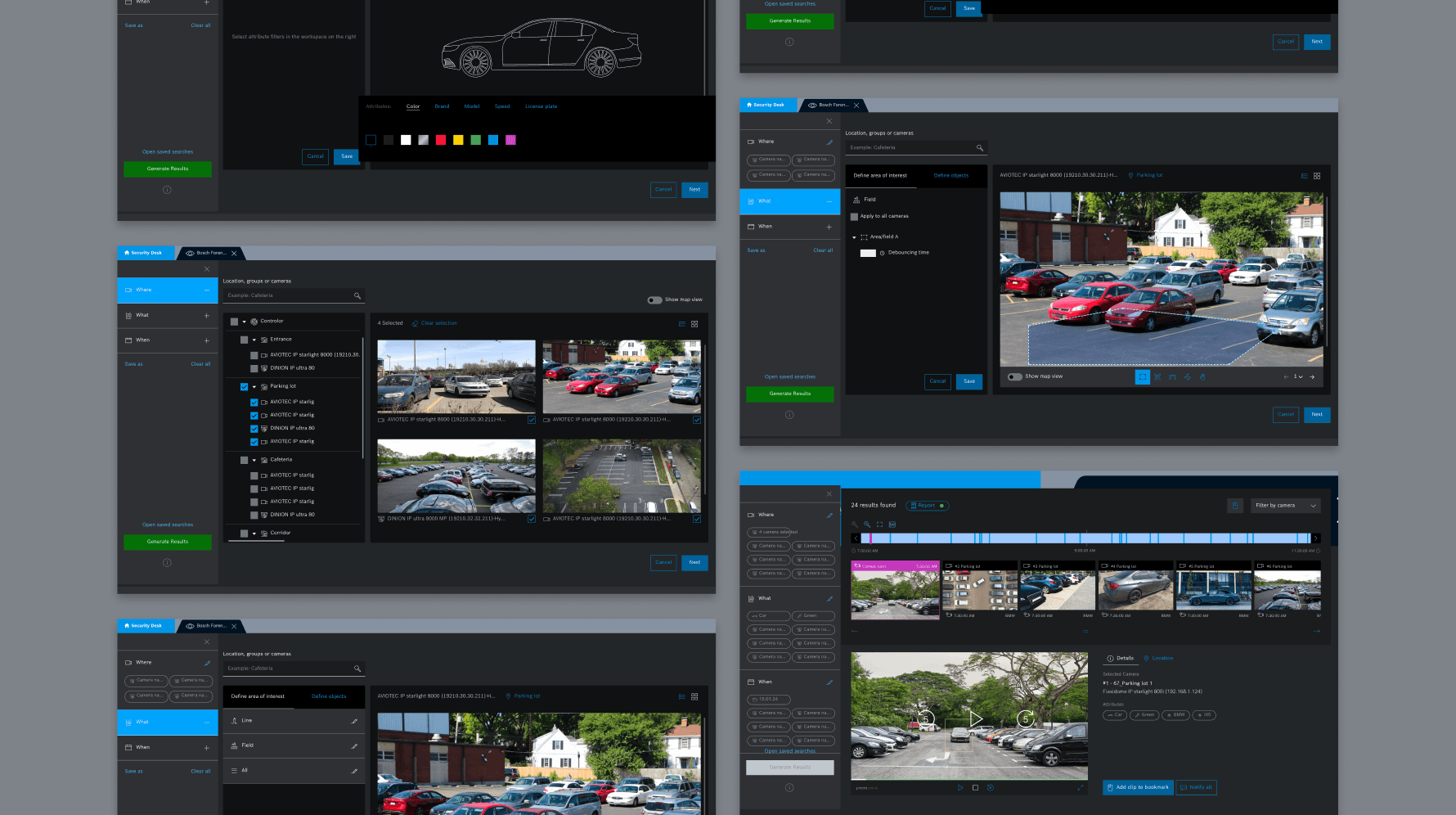
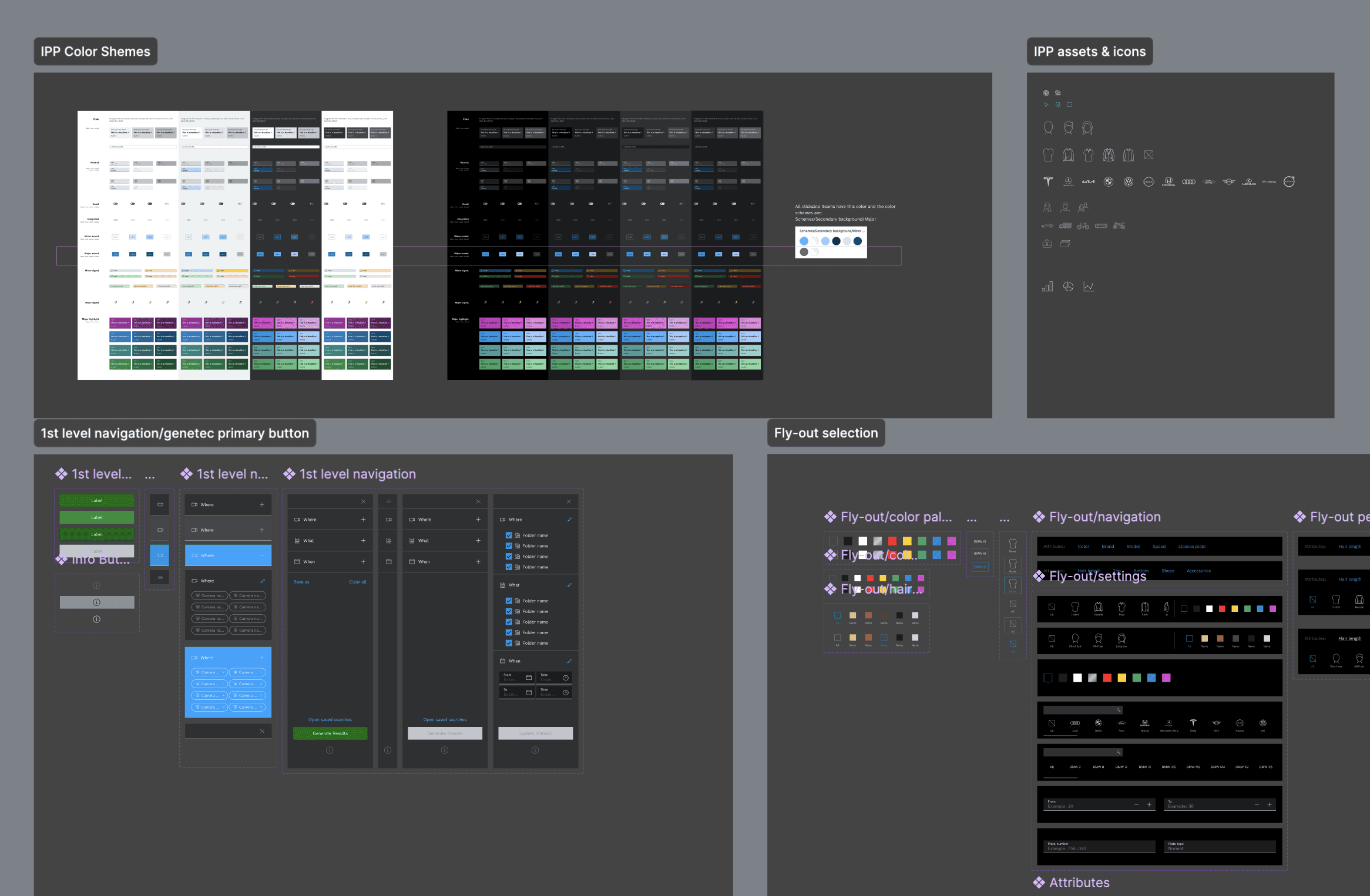
We redesigned the experience to reduce complexity and improve efficiency, focusing on both user workflows and system consistency:
✅ Simplified workflow structure
✅ Improved clarity & feedback
✅ Intuitive interaction patterns
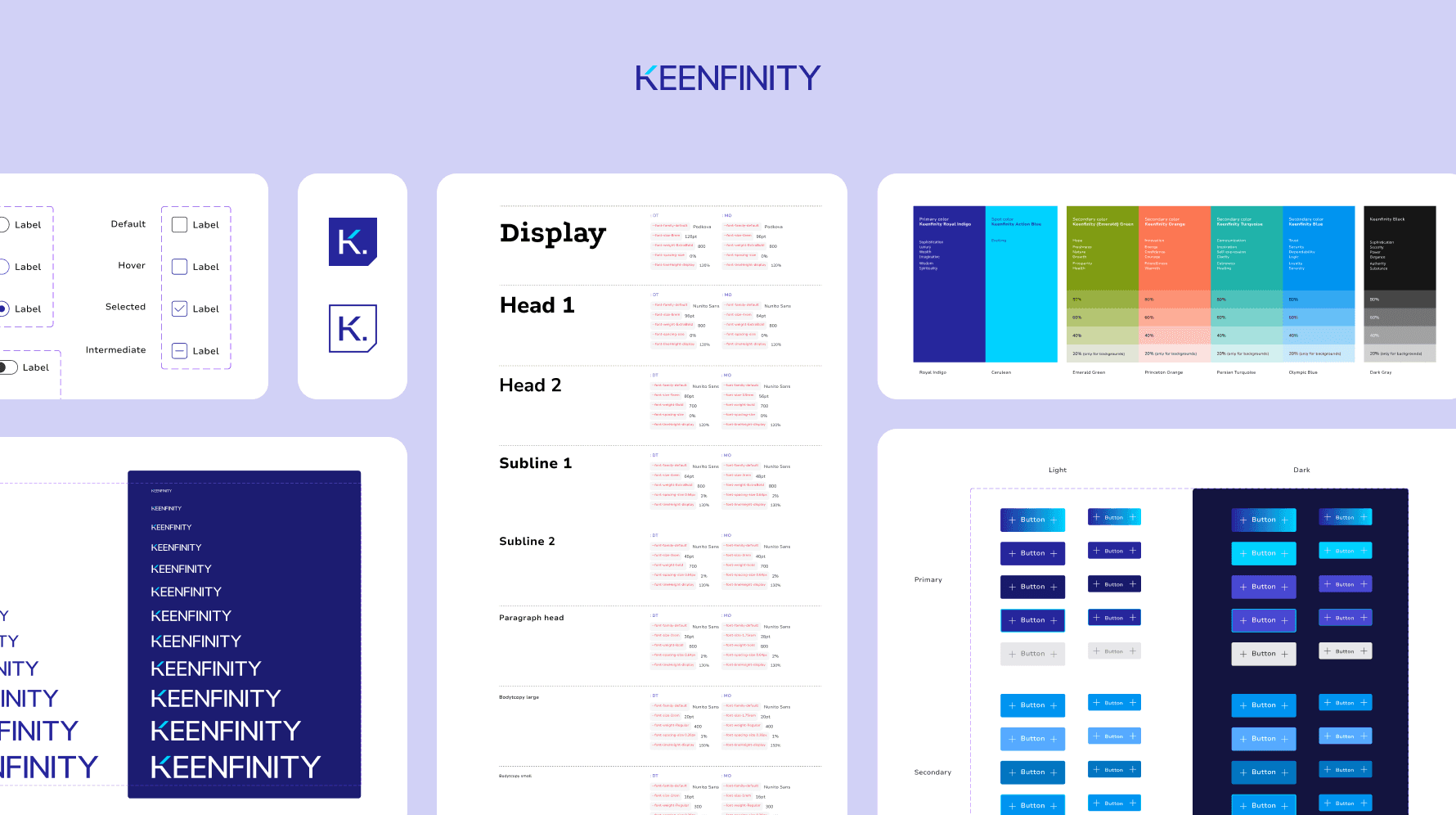
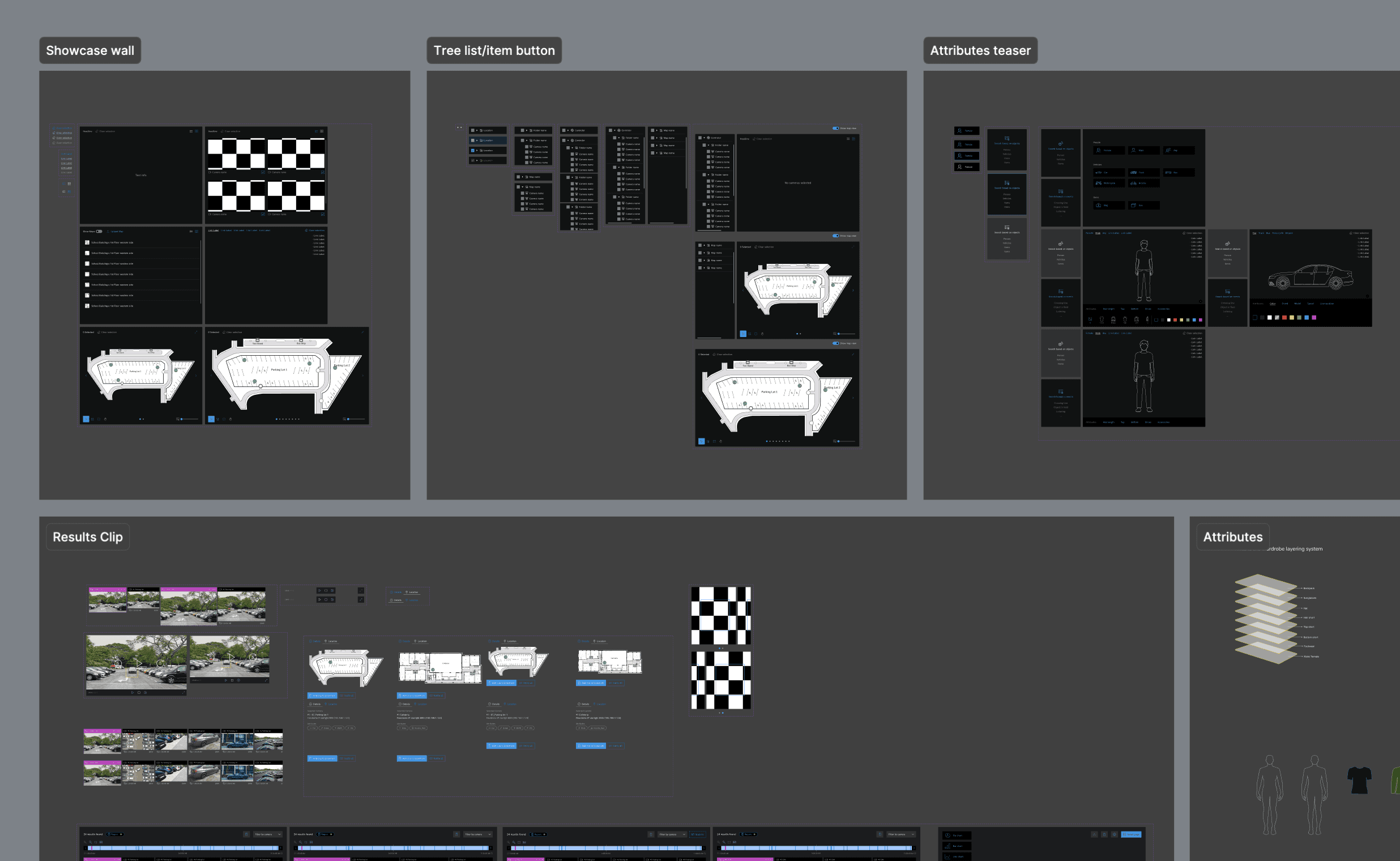
✅ Design system for scalability
Impact
Improving efficiency and usability at scale
We redesigned the experience to reduce complexity and improve efficiency, focusing on both user workflows and system consistency:
🎯 Reduced task completion time by ~30–40%
🎯 Improved success rate and efficiency across key tasks
🎯 100% positive feedback from stakeholders on usability
Reflection
Designing for complexity requires more than simplification
This project reinforced an important lesson:
💡 Good UX is not about removing complexity—it’s about structuring it.
In systems like IPP Forensic Search, users don’t need fewer features, they need better flow, clearer feedback, and reduced cognitive load. This project deepened my understanding of designing for B2B and expert users, where efficiency outweighs aesthetics, clarity directly impacts performance, and even small interaction improvements can make a significant difference.